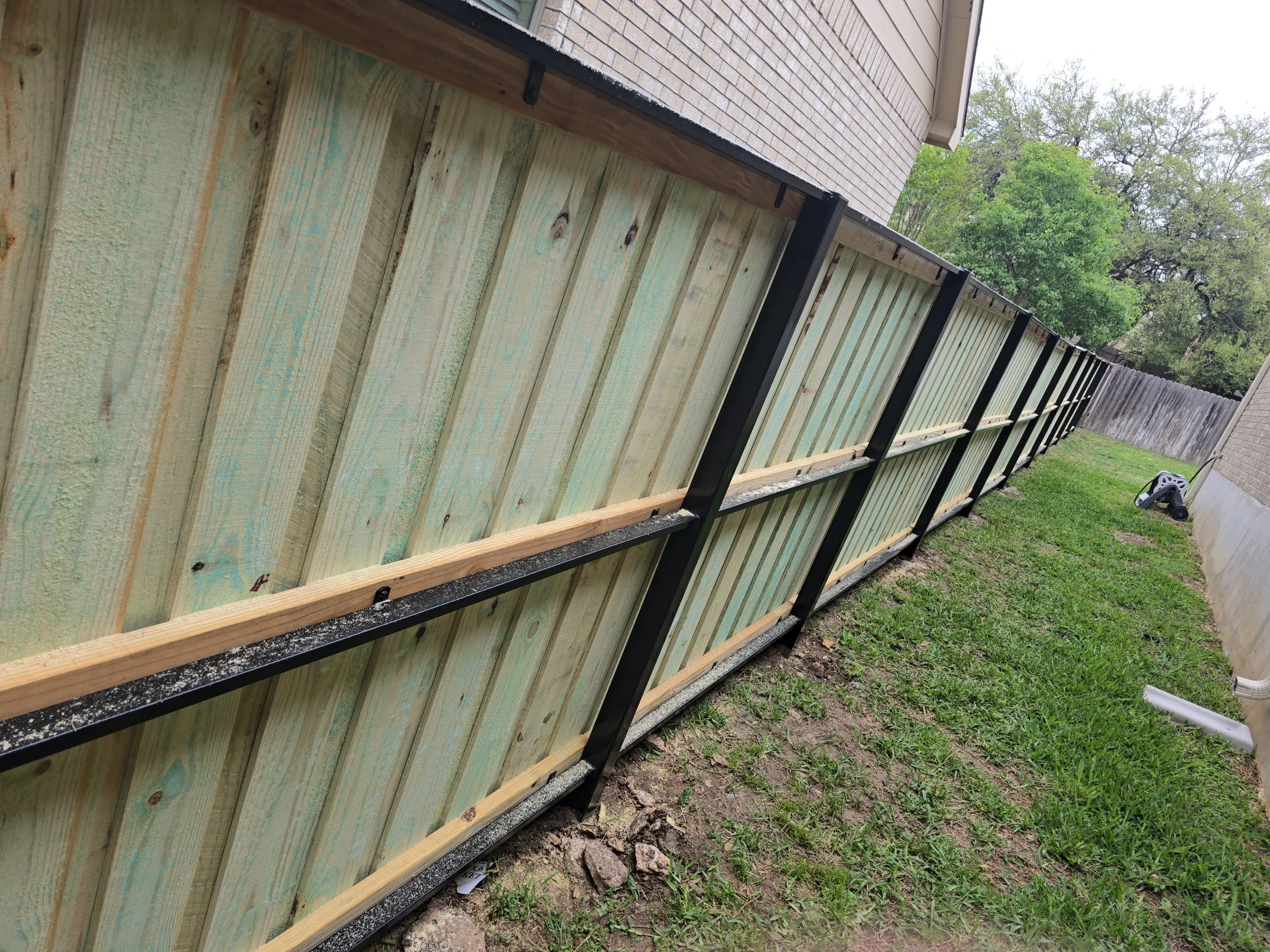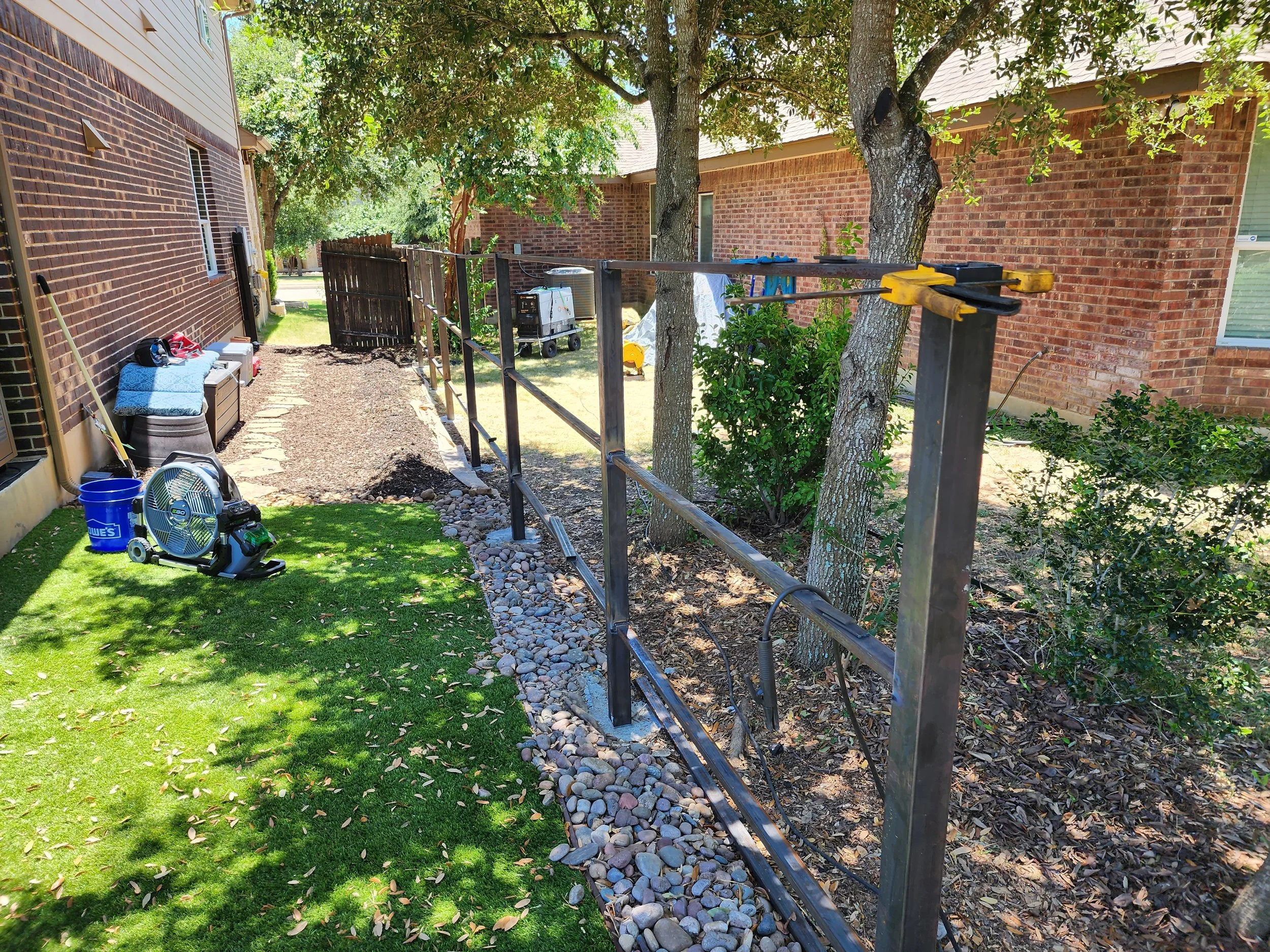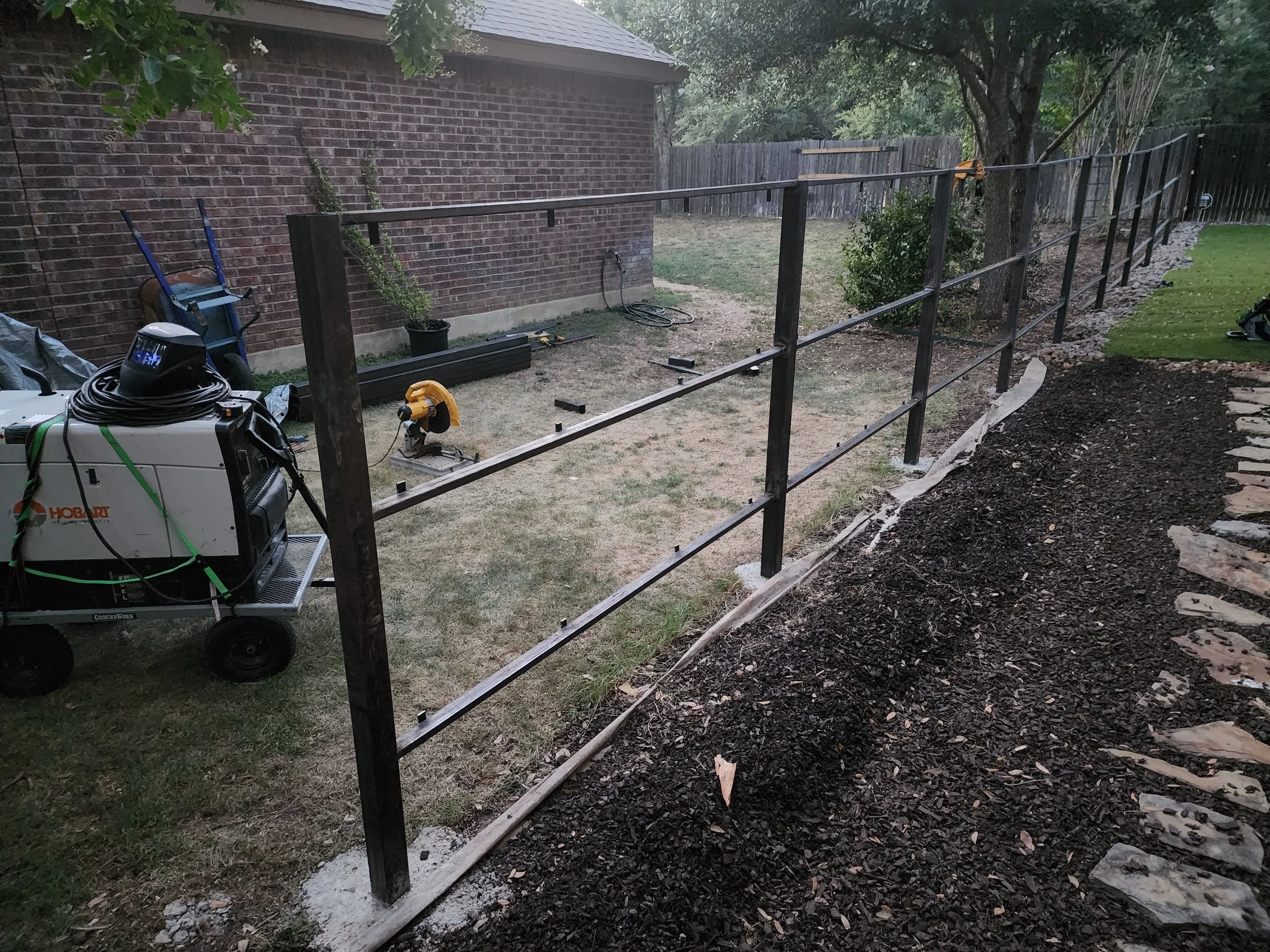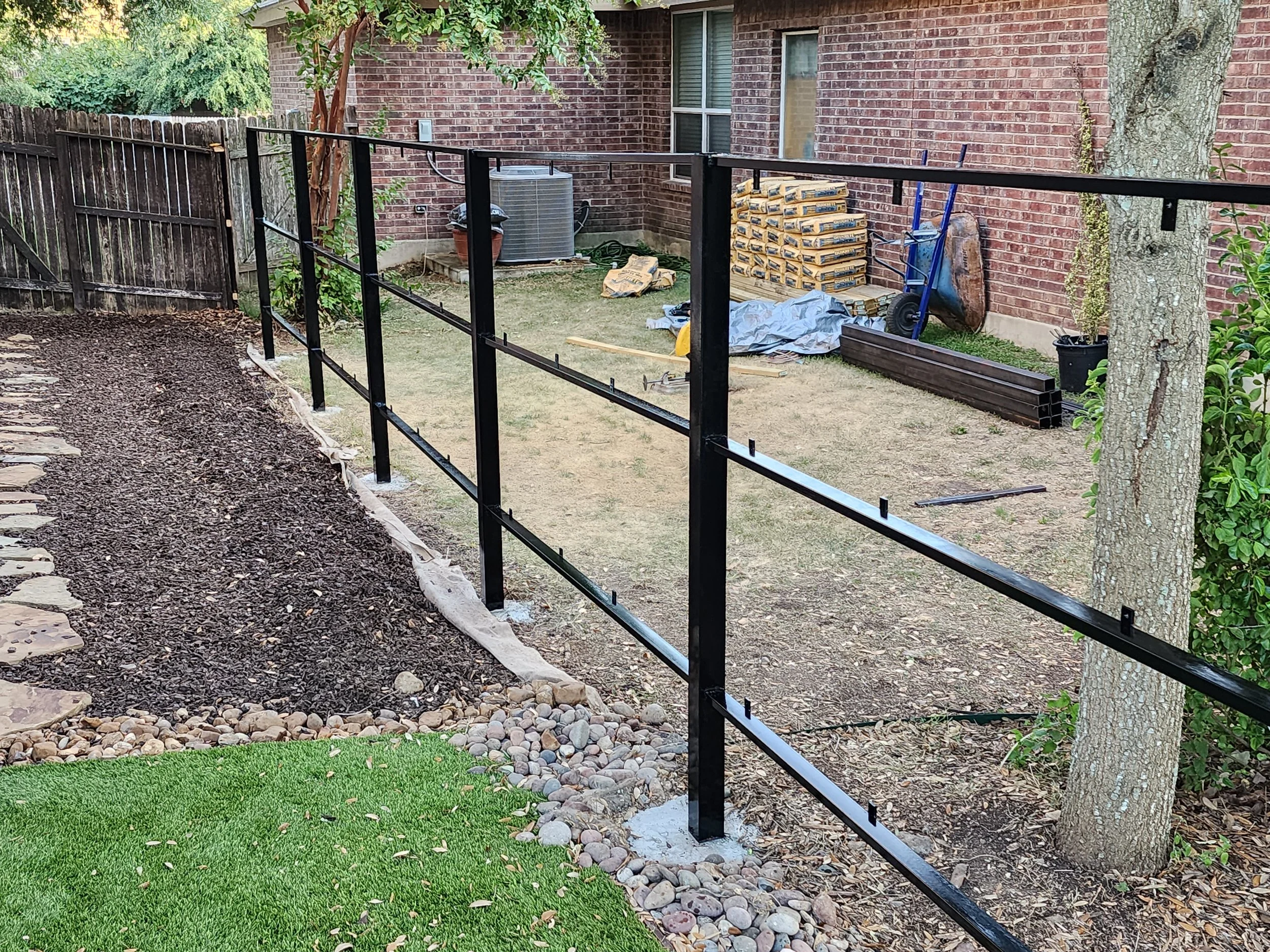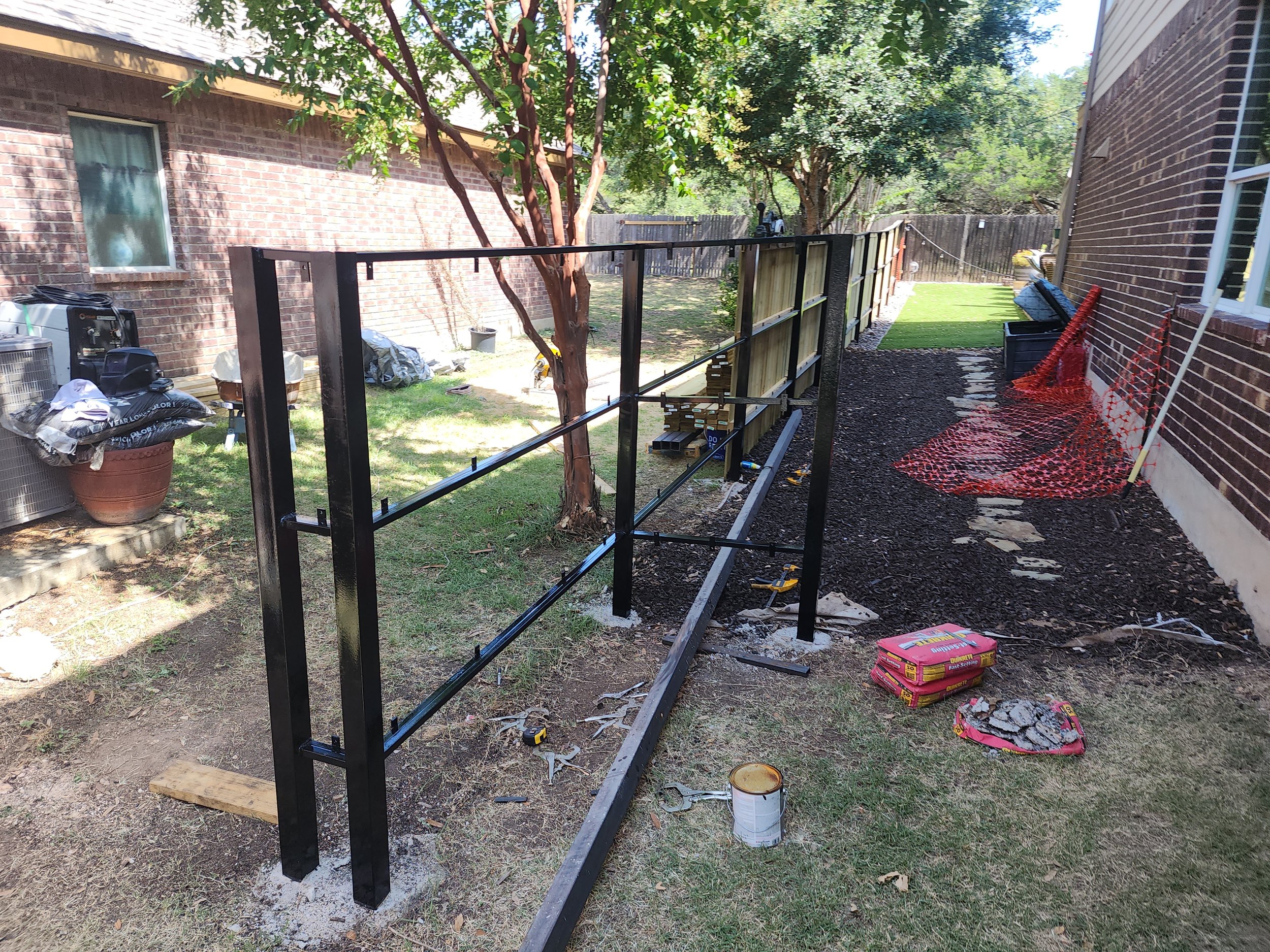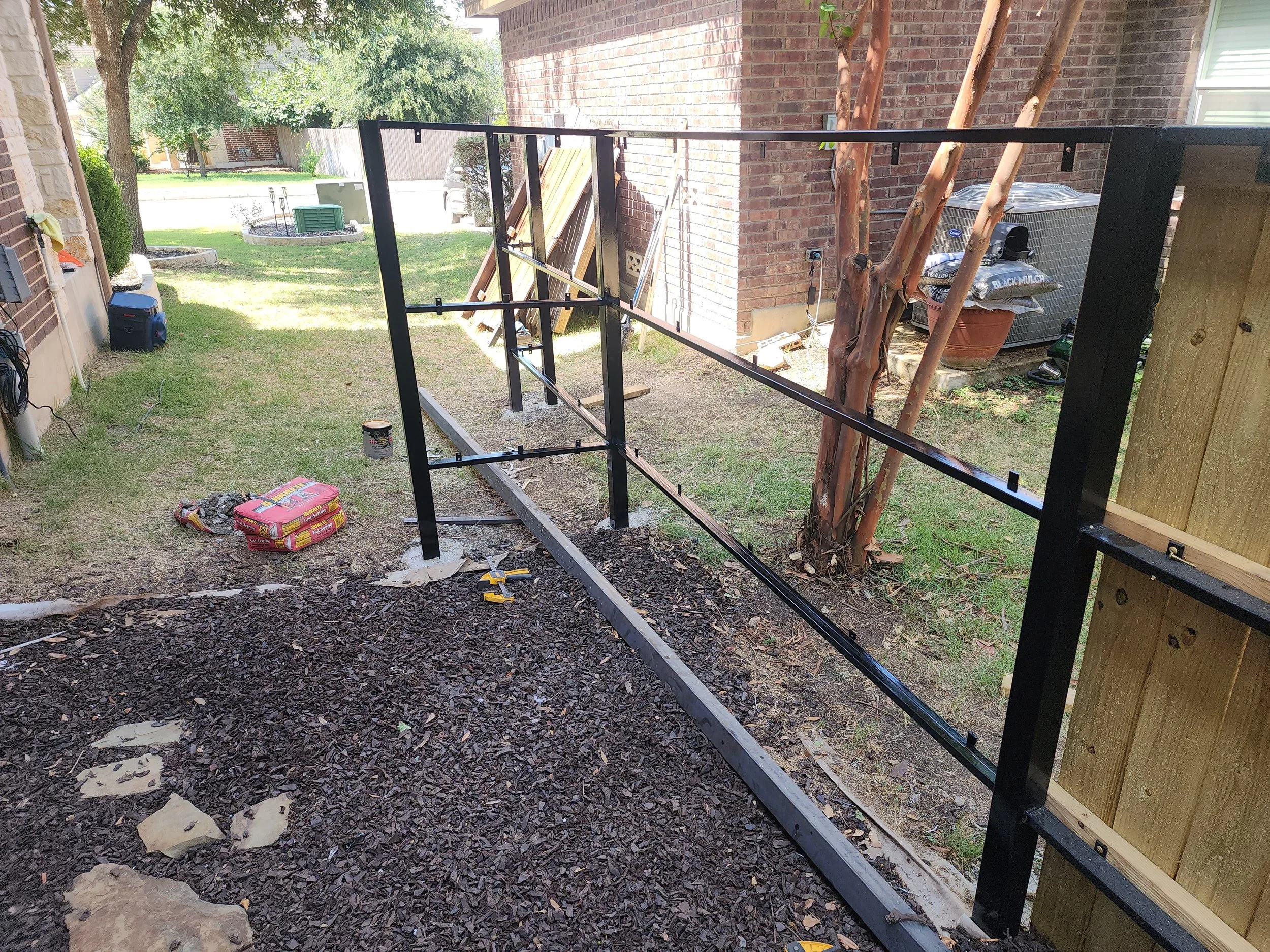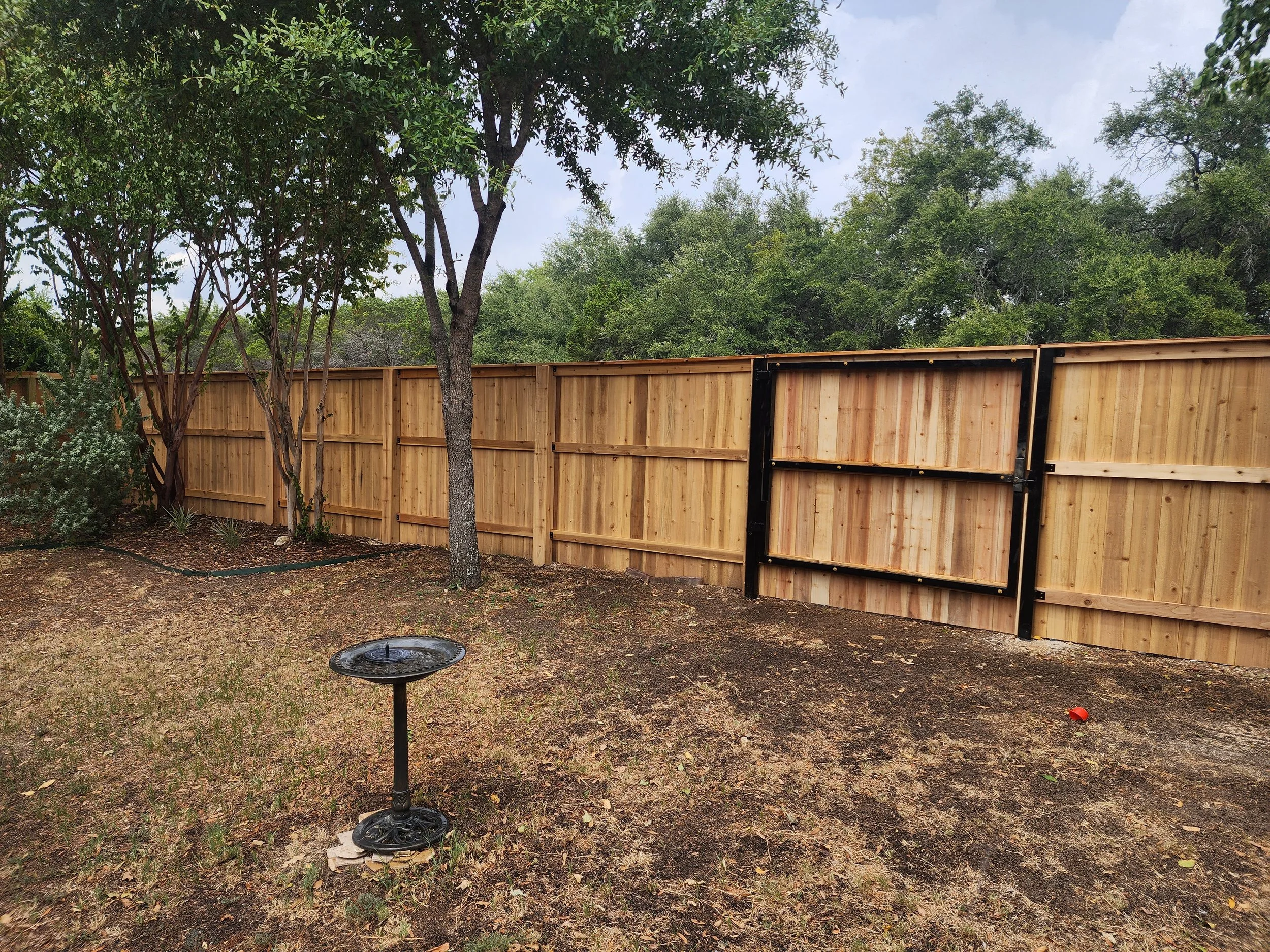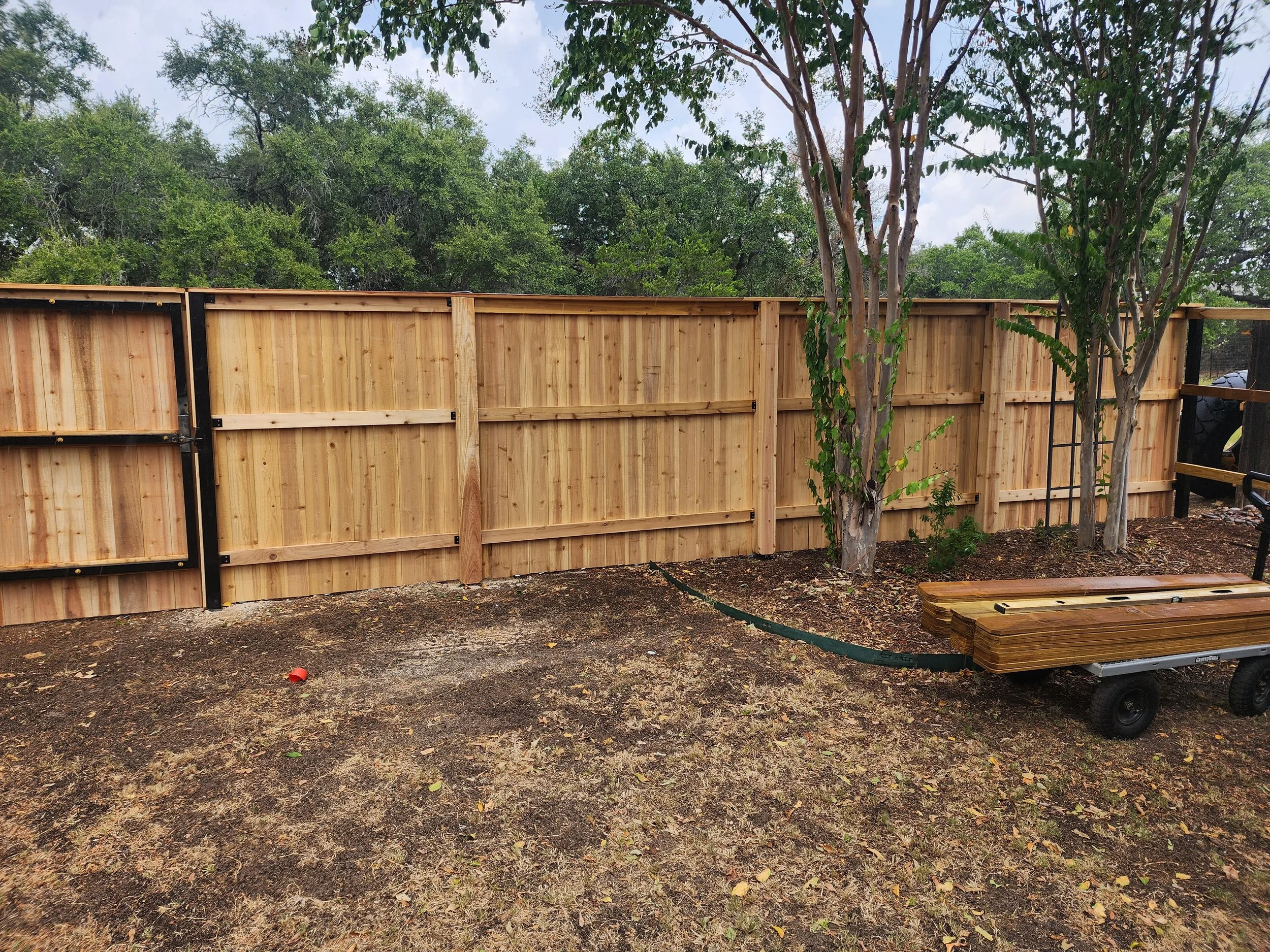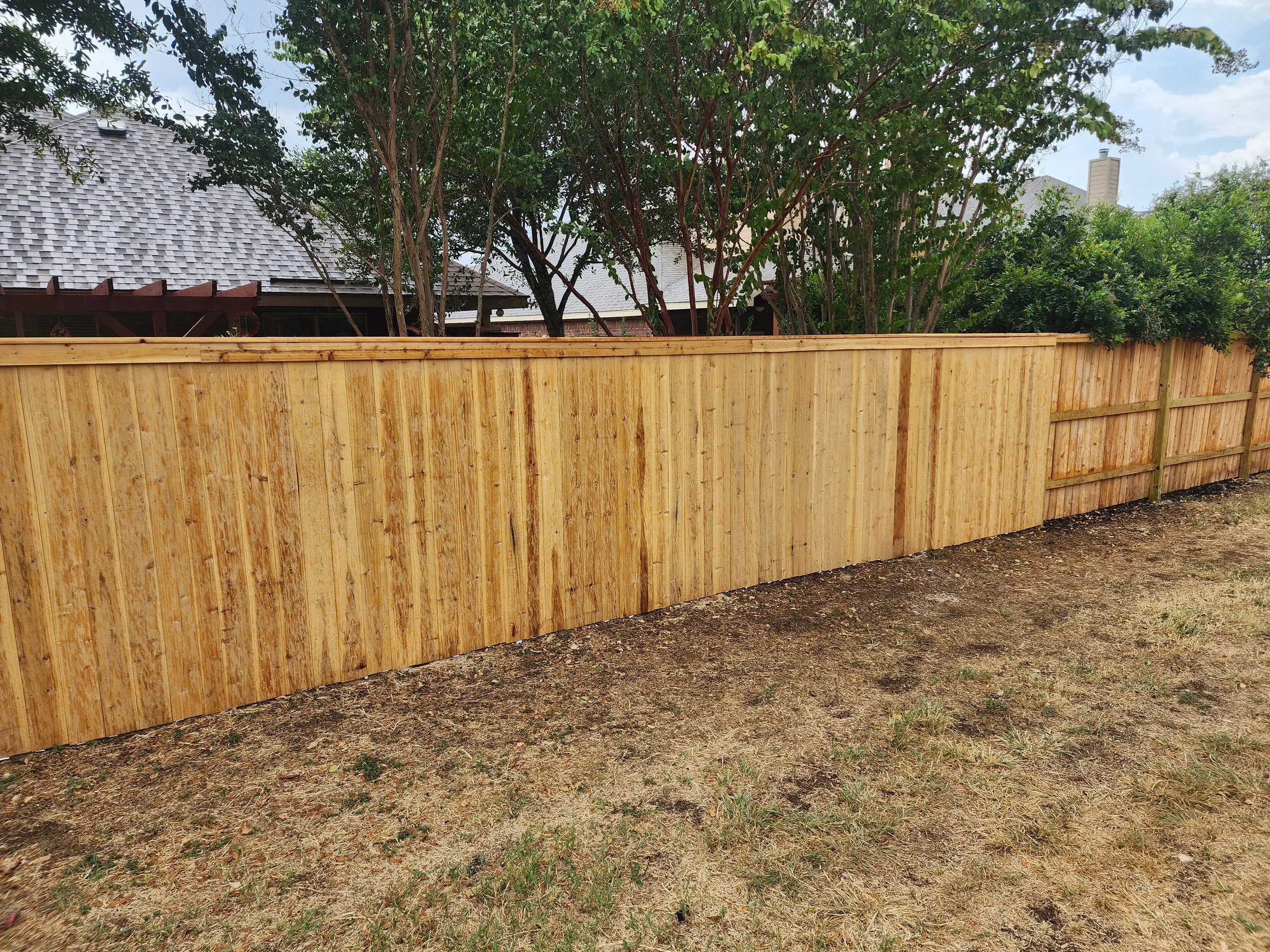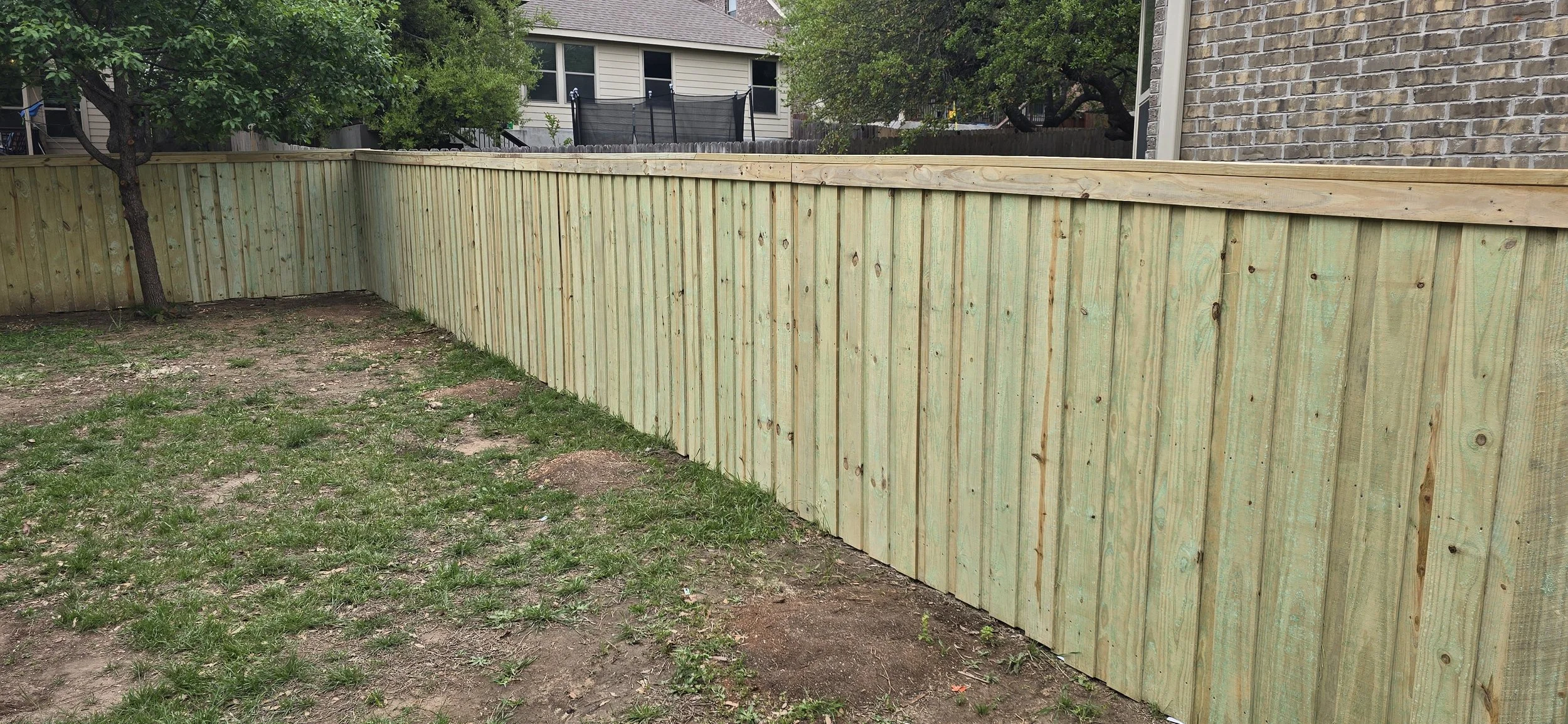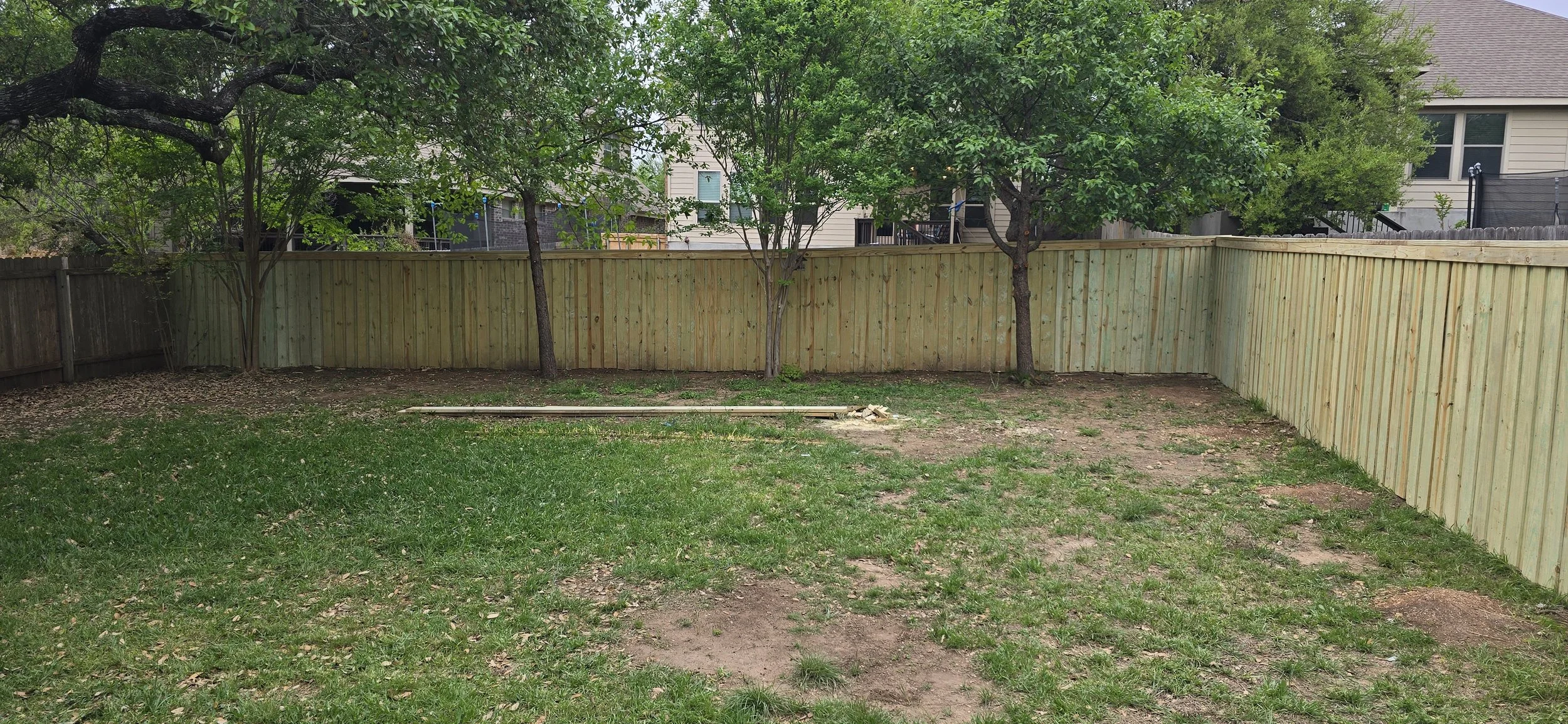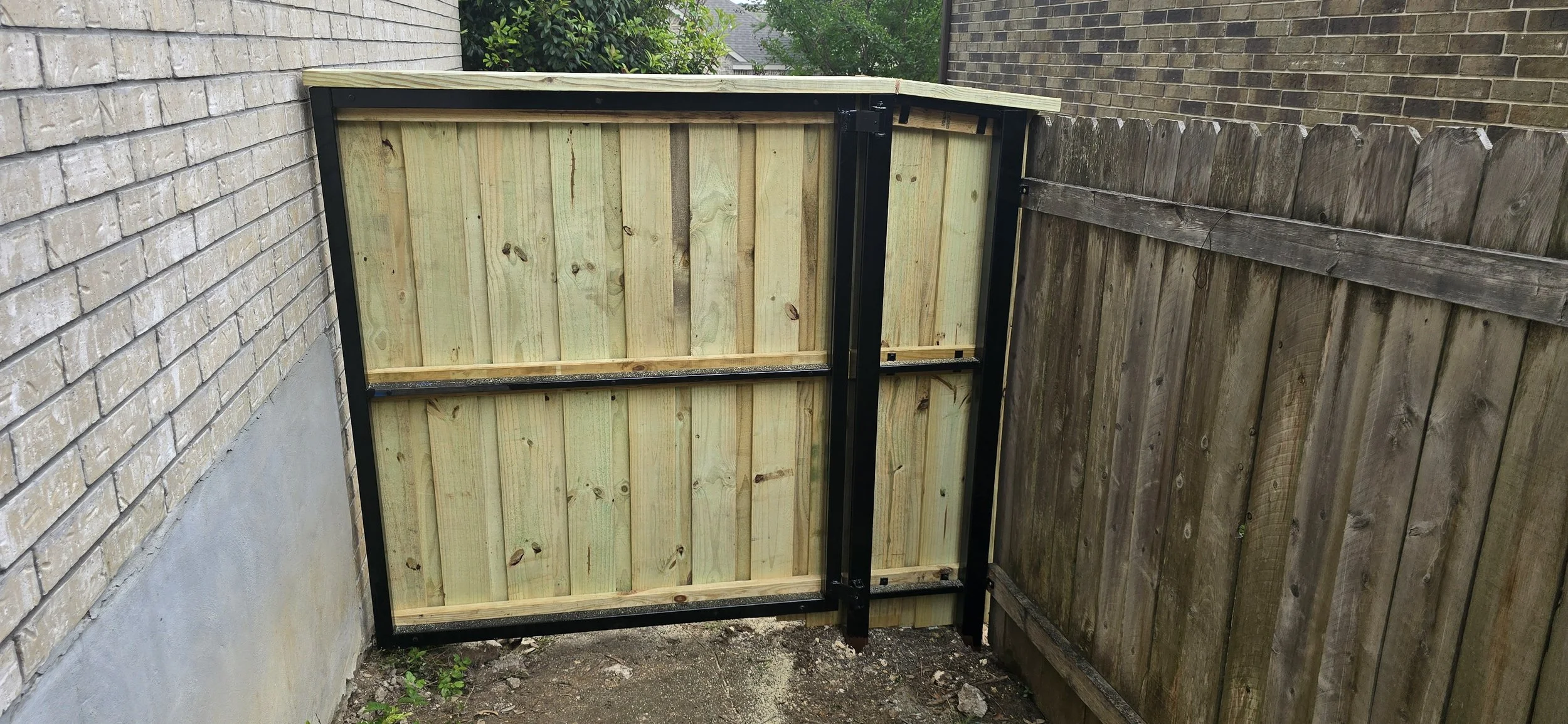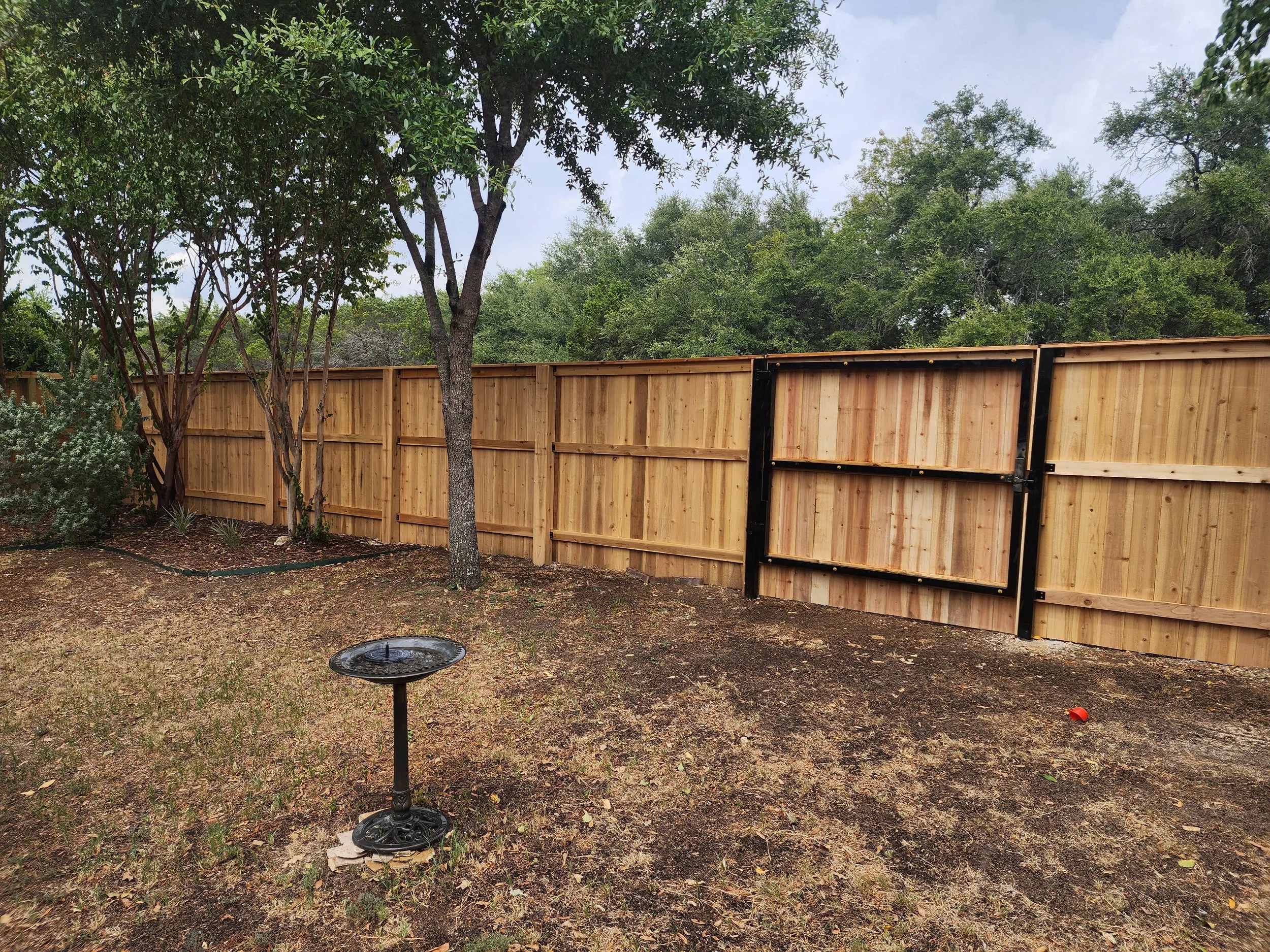
A home’s fence lasts longer and stays truer when steel welded framework and proper materials are combined.
Steel-welded framework provides the backbone: rigid, dimensionally stable, and resistant to sagging over time. Welds lock joints so pickets and rails remain aligned under wind load and everyday use. Compared with wood-only or loosely fastened systems, welded steel resists the twisting, warping, and joint separation that cause fences to lean and gaps to form.
Selecting the right materials to pair with that framework completes the solution:
Proper concrete footings or engineered bracket systems maintain plumb posts and transfer loads into stable ground without soil-driven movement.
Design and installation details that extend life and performance:
Adequate post spacing and correctly sized rails to match local wind loads and fence height.
Welds performed to structural standards and inspected for continuity and corrosion protection.
Thermal expansion gaps and flexible connections where dissimilar materials meet to prevent stress cracking or fastener failure.
Ground clearance and drainage planning to reduce splash-back and prolonged moisture exposure.
Regular maintenance: touch-up coatings, debris removal, and periodic fastener checks to catch minor issues before they escalate.
When steel-welded frames and properly chosen, protected materials are specified and installed with attention to structural details, the result is a fence that remains straight, secure, and attractive for decades — minimizing repair costs and preserving curb appeal.